


Blog
Does SoftWave Therapy Hurt? What Treatment Really Feels Like
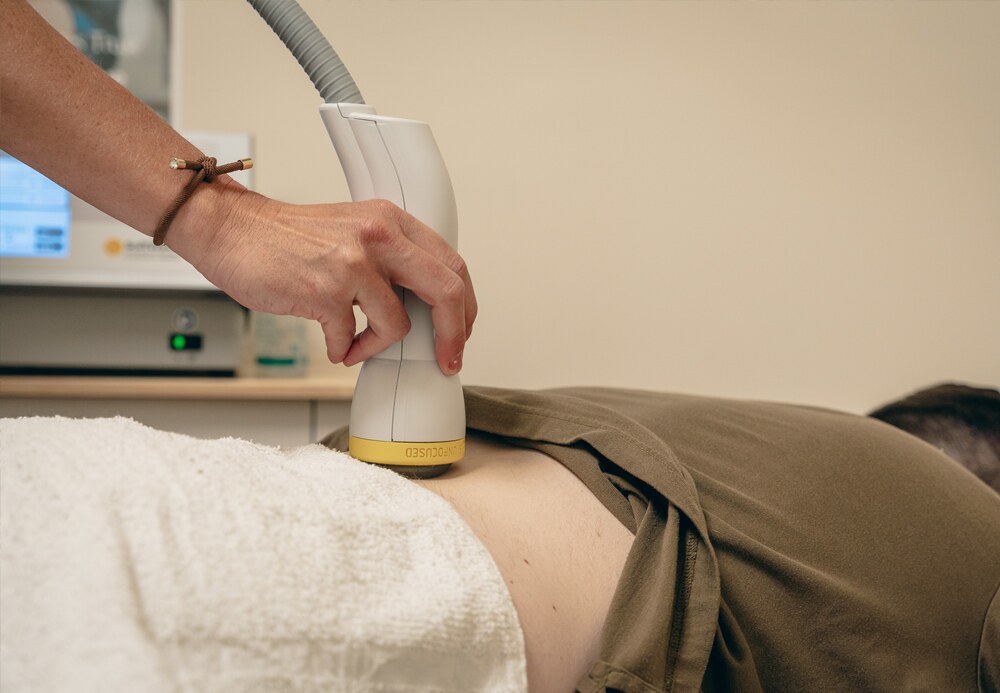
Does SoftWave Therapy Hurt? An Honest Answer for Roanoke Patients
If you are considering a new therapy for stubborn pain, one question almost always comes up before you book: is it going to hurt? That is a fair thing to ask, especially when you have already been through treatments that were uncomfortable, invasive, or slow to help. At InnerSun Family Chiropractic in Roanoke, VA, Dr Wendy Brown hears this question often from patients weighing SoftWave TRT, and she believes you deserve a straight, honest answer rather than a sales pitch. This article walks through what a SoftWave session actually feels like, why most people find it very manageable, and how your provider can adjust the experience so you stay comfortable from start to finish.
The Short Answer: Most Patients Tolerate It Well
SoftWave TRT is a non-invasive therapy that uses broad-focused acoustic waves to reach tissue below the surface. Because it works through the skin without any incision, most people find it comfortable and easy to sit through. There are no needles, no drugs, and no numbing agents involved. You keep your clothing on over areas that are not being treated, you stay awake and aware the whole time, and you can talk with your provider throughout the session. Many patients describe the sensation as surprising precisely because they expected it to be worse than it is.
That said, honesty matters here. SoftWave is not completely without sensation, and comfort can vary from person to person and from one body area to another. Some people barely notice it. Others feel more when the applicator passes over a tender or inflamed spot. Neither reaction is a problem, and both are normal.
What a Session Actually Feels Like
During treatment, your provider moves a handheld applicator across the area being worked on. A conductive gel is applied first so the applicator glides smoothly and the waves transfer efficiently into the tissue. As the device delivers each pulse, most patients describe a tapping, thumping, or pulsing sensation on the skin. It has a rhythm to it, and many people find that rhythm oddly easy to settle into once they know what to expect.
Over healthy, relaxed tissue, that tapping usually feels mild. When the applicator moves over an area that is already sore, irritated, or where the underlying problem lives, the sensation can feel stronger or more tender for those moments. This is common and expected. Interestingly, patients sometimes report that the spots which feel most sensitive during treatment are the very areas that were bothering them in the first place. As the applicator moves on to the next section, the intensity of that sensation typically eases right along with it.
Sessions Are Short
One of the reasons SoftWave is easy to fit into a busy day is that each session is brief. A typical treatment runs about 10 to 15 minutes, depending on how many areas are being addressed and the plan Dr Brown has mapped out for you. Because the sessions are short, even if you do hit a tender spot, you are never sitting with that sensation for long. Many patients are in and out and back to their day in Roanoke without missing a beat.
No Needles, No Numbing, No Recovery
Part of what makes SoftWave approachable is what it does not require. There are no needles to brace for and no anesthetic or numbing cream needed, because the therapy simply is not intense enough to call for them. Just as importantly, there is no downtime afterward. You do not need someone to drive you home, and you are not sidelined for the rest of the day. Most people walk out and resume their normal activities right away, whether that means heading back to work, running errands, or picking the kids up from practice.
How Your Provider Keeps You Comfortable
You are not a passive participant in a SoftWave session. The equipment allows the provider to adjust the intensity and settings, and Dr Brown uses that flexibility to match the treatment to what you can comfortably handle. If a certain area feels like too much, she can lower the intensity, change the pace, or adjust the approach. Communication is encouraged the entire time, so if something does not feel right, you simply say so and adjustments are made on the spot.
This is why the honest answer to "does it hurt" is really "it should not, and if anything feels like too much, it can be dialed back." The goal is never to push you through discomfort. The goal is to deliver an effective treatment while keeping you at ease.
How SoftWave Works Beneath the Surface
Understanding what the therapy is doing can make the sensation feel more reassuring. SoftWave TRT delivers broad-focused acoustic waves generated through a patented parabolic reflector, which lets the energy spread and penetrate deep into the tissue rather than staying at one narrow point. Those waves are designed to signal the body and encourage its own natural healing response. In plain language, here is what the therapy is intended to support:
- Stem cell activation: encouraging the body's own resident stem cells to switch on and migrate toward the area of concern.
- New blood vessel formation: supporting angiogenesis so treated tissue can receive more of the blood flow it needs.
- Cell proliferation and collagen: promoting the processes involved in building and repairing healthy tissue.
- Inflammation modulation: helping to influence the inflammatory environment around the area being treated.
Because the therapy is working with your body's biology rather than overriding it, the physical sensation you feel is simply the delivery of those acoustic pulses, not a sign of damage or injury.
If you are in Roanoke and the fear of pain has been the main thing holding you back from trying something new, that concern is worth talking through in person. Request a SoftWave consultation at InnerSun Family Chiropractic and get your questions answered before you commit to anything.
What to Expect Across a Series
SoftWave is typically delivered as a series of sessions rather than a single visit, often spread over roughly 6 to 8 weeks. Many patients notice that as they move through the series, they grow more familiar with the sensation and find it even easier to relax during each visit. It is also worth knowing that the body's healing response is designed to continue for weeks to months after your final session, so the work does not stop the moment you leave the office.
Keep in mind that results and comfort levels vary from person to person, and SoftWave is not a guaranteed cure for any condition. A consultation is the only way to determine whether you are a good candidate, and this information is not a substitute for personalized medical advice. Dr Brown will review your history and goals before recommending a plan.
The Bottom Line on Comfort
So, does SoftWave therapy hurt? For most patients the honest answer is no, not in any meaningful way. You should expect a tapping or pulsing sensation, a little more tenderness over sore areas, short sessions of about 10 to 15 minutes, and no needles or downtime to worry about. With a provider who can adjust intensity for your comfort, the experience is one that the large majority of people handle without trouble.
Ready to Take the Next Step?
If concern about discomfort has been the one thing keeping you from exploring SoftWave, let us walk you through exactly what to expect so you can decide with confidence. Comfort and honest answers come first at InnerSun Family Chiropractic.
Request your SoftWave Therapy new patient visit online today
Contact InnerSun Family Chiropractic
InnerSun Family Chiropractic
3555 Electric Rd Ste J
Roanoke, VA 24018
Phone: 540-315-4115
Our Main Office Website: https://innersunroanoke.com/
‹ Back





 3555 Electric Rd Ste J