
Blog
SoftWave Therapy for Weekend Warriors and Recreational Athletes
Back on the Trail Faster: SoftWave Therapy for Roanoke's Weekend Warriors
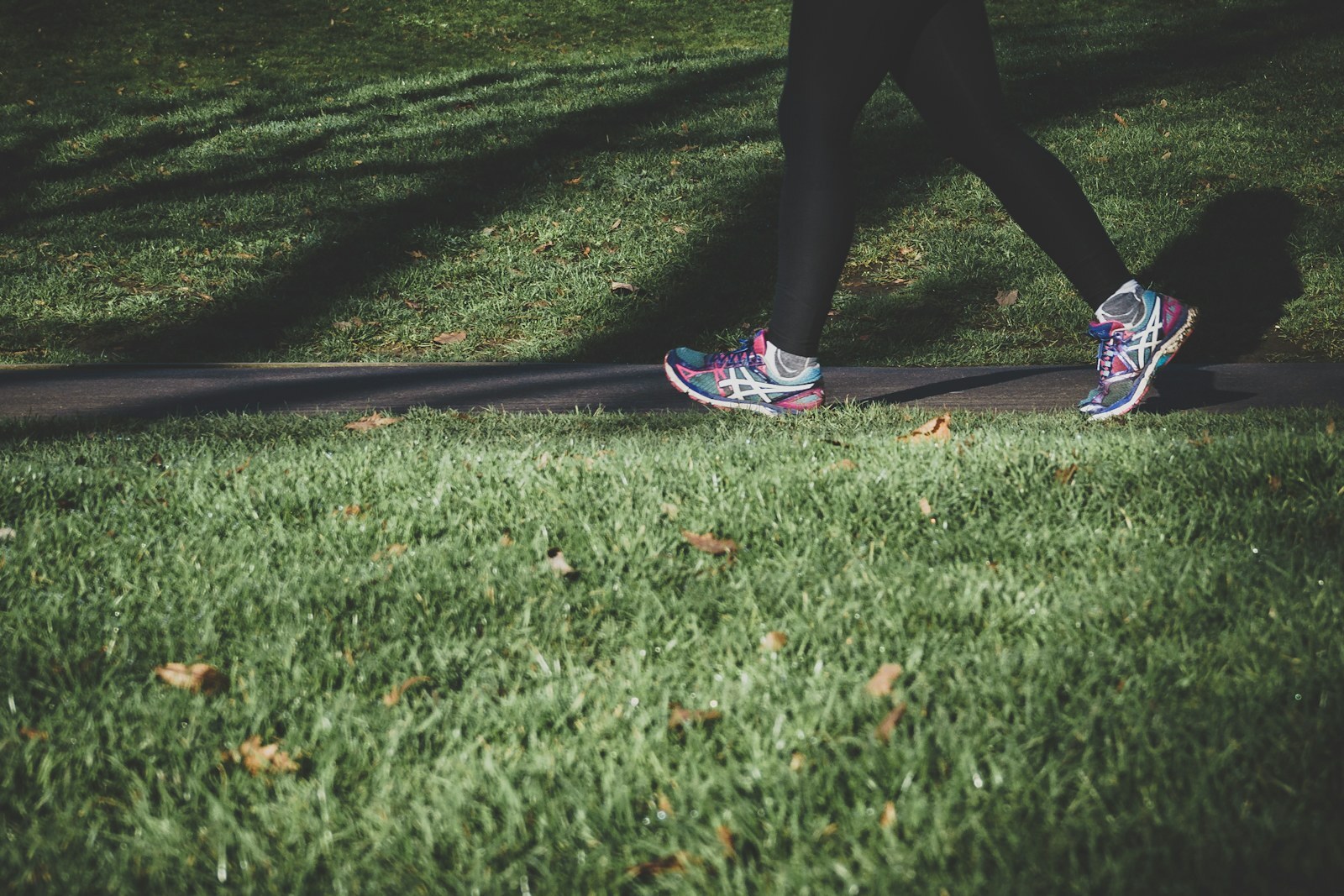
Roanoke is built for people who love to move. The Roanoke River Greenway fills up with runners at dawn, Mill Mountain and the Blue Ridge trails call to hikers every weekend, cyclists climb the Parkway, and pickleball courts around the valley stay busy year round. If you are a recreational or amateur athlete, you already know the flip side of an active life: nagging tendon pain, a rolled ankle, an elbow that flares up after a long match, or an Achilles that never quite feels right. At InnerSun Family Chiropractic, Dr Wendy Brown helps active people in Roanoke address these frustrating soft-tissue injuries with SoftWave TRT, a non-invasive regenerative therapy designed to support the body's own tissue repair so you can get back to the activities you love with less downtime.
This article is written for the weekend warrior: the person who is not a full-time professional athlete but who trains hard, plays competitively on weekends, and does not want an overuse injury to sideline them for a whole season.
The Injuries That Slow Weekend Warriors Down
Recreational athletes tend to see a fairly predictable cluster of soft-tissue problems. They usually come from repetition, sudden increases in training load, or a single awkward movement. The most common ones include:
- Tendinopathy: irritation and degeneration of a tendon from repeated stress. Runners and cyclists know it well.
- Tennis and golfer's elbow: lateral and medial elbow tendon pain that flares in racquet sports, pickleball, and any repetitive gripping activity.
- Achilles issues: stiffness, pain, and thickening at the back of the heel that is common in runners, hikers, and court-sport players.
- Jumper's knee (patellar tendinopathy): pain at the front of the knee that shows up in jumping and cutting sports.
- Sprains and strains: the classic rolled ankle on a rocky trail or a tweaked muscle during a hard sprint.
- Plantar and heel pain: that first painful step in the morning after a long weekend on your feet.
What these have in common is that they involve tendons, ligaments, and connective tissue rather than bone. And that is exactly why they can be so stubborn.
Why Tendon and Soft-Tissue Injuries Heal So Slowly
It can be genuinely maddening. A cut on your skin closes up in a week, but a cranky Achilles or a sore elbow can linger for months. There is a physiological reason for this. Tendons and ligaments have a relatively poor blood supply compared to muscle and skin. Blood carries oxygen, nutrients, and the cellular signals that drive repair, so tissues with less circulation simply mend more slowly.
On top of that, weekend warriors often keep loading the injured area. You feel a little better on Wednesday, so you play again on Saturday, and the repair process never gets a real chance to complete. Chronic tendon problems can also shift from a normal inflammatory healing state into a degenerative one, where the tissue is disorganized and low on the active repair cells it needs. That is the frustrating stage where rest alone stops delivering results and the injury seems to plateau. Supporting circulation and the body's natural repair signaling at the tissue level is where a therapy like SoftWave TRT is designed to make a difference.
How SoftWave TRT Supports Tissue Repair
SoftWave TRT is a form of regenerative shockwave therapy, but it is important to understand what makes it distinct. It uses electrohydraulic, spark-generated broad-focused acoustic waves delivered through a patented parabolic reflector. It is the only broad-focused shockwave technology, as opposed to radial, electromagnetic, or piezoelectric devices. That broad-focused wave spreads energy across a wider and deeper area of tissue, which is well suited to the diffuse tendon and soft-tissue injuries that recreational athletes tend to develop.
Rather than masking pain, the therapy is designed to prompt your body to restart and support its own healing cascade in the treated area.
The Science in Plain Language
- Stem cell activation: the acoustic waves are designed to stimulate resident stem cells and encourage them to migrate to the area that needs repair.
- New blood flow: it supports angiogenesis, the formation of new blood vessels, through signals such as VEGF and eNOS. For tendons starved of circulation, better blood flow is a meaningful piece of the puzzle.
- Cell proliferation and collagen: markers like PCNA and BMP are associated with cell growth and healthy collagen production, the building blocks of strong connective tissue.
- Calming inflammation: the therapy is designed to help modulate inflammation and regulate toll-like receptors, helping shift a stalled, irritated tendon back toward active repair.
- Clearing out old cells: it may support the clearance of senescent (aging, non-productive) cells so healthier tissue can take over.
These are the mechanisms the technology is built around. Everyone's body responds differently, and results vary from person to person, which is why a consultation is the honest starting point rather than a promise.
What Treatment Actually Looks Like
For active people, one of the biggest appeals of SoftWave is how little it interrupts your life. There are no needles, no drugs, no surgery, and no required downtime afterward. Individual sessions typically run about 10 to 15 minutes, and most people describe the sensation as a series of firm tapping pulses.
Care is usually delivered as a series over roughly six to eight weeks. Something worth understanding is that the healing response does not switch off when you walk out the door. Because SoftWave is designed to activate your body's own repair processes, tissue can continue to improve for weeks and even months after your final session. That timeline fits the reality of overuse injuries, which took time to develop and generally take time to genuinely resolve rather than just quiet down for a weekend.
Because there is no downtime, many patients are able to continue a modified version of their activity while progressing through care, though your specific plan and any activity adjustments are always determined with Dr Brown based on your injury.
If you are in Roanoke and a nagging tendon, elbow, knee, or Achilles issue is cutting your runs, rides, hikes, or matches short, request a SoftWave consultation at InnerSun Family Chiropractic to find out whether you are a candidate.
A Responsible Word on Expectations
SoftWave TRT is a technology that has been studied at leading institutions and is used by clinicians who work with professional and collegiate athletes, which speaks to the level of confidence serious sports-care providers place in regenerative approaches. That said, being a good tool for athletes does not mean it is a magic fix. No responsible provider can guarantee an outcome, and SoftWave is not a substitute for a full medical evaluation when one is needed.
The right way to think about it is as a way to support your body's natural healing so that stubborn overuse injuries have a real chance to repair rather than lingering all season. Whether it is the right fit for your particular injury, training goals, and timeline is exactly what a consultation is for. Dr Wendy Brown will assess your history and how you use your body, then help you decide on a plan that makes sense for you.
Ready to Take the Next Step?
Do not let a stubborn tendon or a lingering sprain keep you off the greenway, the trails, or the court any longer than it has to. Reach out today and find out whether SoftWave TRT can help you get back to doing what you love.
Request your SoftWave Therapy new patient visit online today
Contact InnerSun Family Chiropractic
InnerSun Family Chiropractic
3555 Electric Rd Ste J
Roanoke, VA 24018
Phone: 540-315-4115
Our Main Office Website: https://innersunroanoke.com/
‹ Back


 3555 Electric Rd Ste J