


Blog
SoftWave Therapy for Active Seniors: Staying Mobile in Roanoke

Staying Active After 60 in Roanoke: A Gentler Path Around Joint Pain
Roanoke rewards people who stay on their feet: greenway walks along the river, flower beds that need tending every spring, weekend rounds at the local courses, and grandkids who never slow down. For many older adults, the goal is simple: keep doing the things that make life full. Yet somewhere along the way, a stiff knee, an achy hip, or a shoulder that no longer cooperates can start shrinking the map of what feels possible. If that sounds familiar, you are not alone, and you have more options than you may think.
At InnerSun Family Chiropractic, Dr Wendy Brown works with active seniors and their families who want to protect mobility and independence without rushing toward surgery or years of daily medication. One of the tools she offers is SoftWave TRT, a non-invasive therapy designed to support the body's own repair processes. This article looks at why joints bother us more as we age and how SoftWave may help keep you moving.
Why Joints and Tissues Change as We Age
Aging does not have to mean the end of an active life, but it does change how the body responds to wear and injury. That helps explain why the same twinge that used to fade in a day can now linger for weeks.
Cartilage and Cushioning Wear Down
The smooth cartilage that lets joints glide gradually thins over the years. Add a lifetime of walking, lifting, and the occasional stumble, and it is easy to see why knees, hips, and hands are common trouble spots. Arthritis, both the wear-and-tear kind and the inflammatory kind, grows more common with each decade.
Circulation Slows and Healing Takes Longer
Blood carries the oxygen, nutrients, and repair cells that tissue needs to mend itself. As we age, circulation to tendons, ligaments, and joints tends to decrease, and these tissues were never richly supplied with blood to begin with. That is a big reason a strained shoulder at 70 can take so much longer to settle than at 40.
The Body's Repair Signals Get Quieter
Younger bodies are quick to mount a healing response. With age, the cellular signals that recruit repair cells and rebuild collagen can grow sluggish, and worn-out cells can linger in tissue rather than clearing out. The machinery is still there. It often just needs a nudge.
The Problem With the Usual Choices
When joint pain sets in, many older adults feel funneled toward options that carry real trade-offs. Long-term anti-inflammatory or pain medication can be hard on the stomach, kidneys, and heart, and it tends to mask discomfort rather than address why the tissue hurts. Surgery can be the right call in some cases, but it brings anesthesia risk, weeks or months of recovery, and time away from the activities that keep you strong. For an older adult, several weeks of reduced movement can mean lost strength and balance that take far longer to rebuild.
Understandably, many people want a middle path: something that supports healing, is gentle on the system, and does not sideline them for months. That is exactly why regenerative-style therapies draw so much interest.
How SoftWave Therapy Supports Mobility
SoftWave TRT uses electrohydraulic, spark-generated acoustic waves delivered through a patented parabolic reflector. This makes it the only broad-focused shockwave therapy, as opposed to radial, electromagnetic, or piezoelectric devices. In plain terms, the energy spreads out and reaches deep into tissue, where it is designed to prompt the body's own healing cascade rather than force a result.
For an older adult, the appeal is straightforward. There are no needles, no drugs, no surgery, and no downtime. Sessions usually run about 10 to 15 minutes, and a typical plan involves a series over roughly 6 to 8 weeks. Many patients also find the process keeps working after the appointments end, since the tissue response can continue for weeks to months after the final session.
What the Science Suggests, in Plain Language
- Better local circulation: SoftWave is designed to encourage angiogenesis, the formation of new blood vessels, through signals such as VEGF and eNOS, which may temporarily increase blood flow to the area.
- Activating repair cells: The waves are intended to stimulate resident stem cells and encourage them to migrate toward tissue that needs attention.
- Rebuilding tissue: Signals tied to cell proliferation and collagen, such as PCNA and BMP, support repair of connective tissue that has grown thin or strained.
- Calming inflammation: SoftWave may help modulate the inflammatory response and regulate toll-like receptors, part of how the body resolves lingering irritation.
- Clearing out worn cells: The therapy is thought to help clear senescent cells, the aged cells that can accumulate and slow healing.
Within its FDA clearances, SoftWave is recognized for activating connective tissue, producing a temporary increase in blood flow, and offering temporary relief of minor muscle and joint pain. For older adults whose main obstacle is stiff, achy joints and slow-to-heal soft tissue, those are honest starting points.
What This Can Mean for an Active Lifestyle
The real measure of any therapy is what it lets you get back to. Active seniors who pursue care for joint and soft-tissue discomfort are usually chasing specific goals.
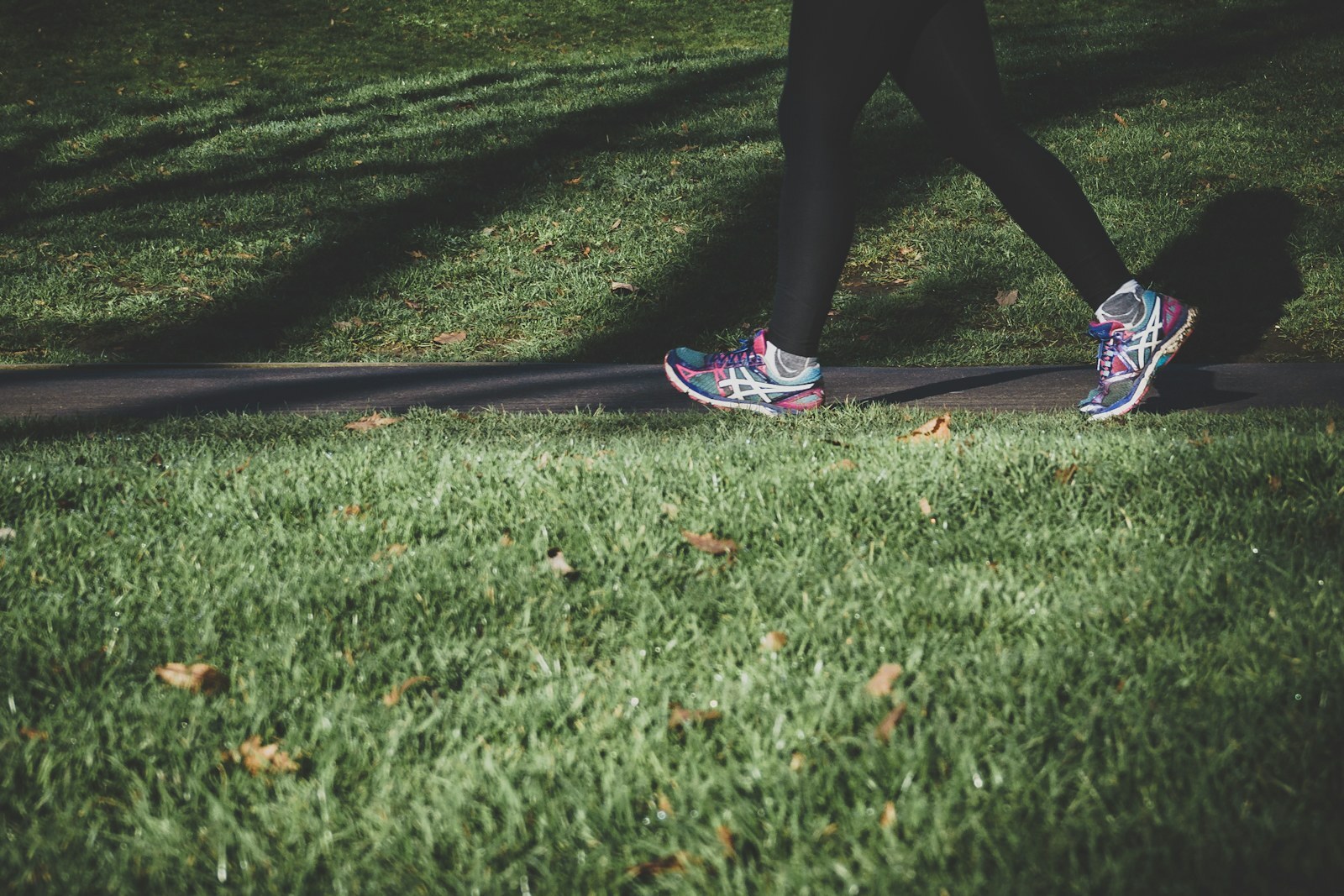
- Walking: Comfortable knees and hips make it easier to keep up your daily loop on the greenway or around the block.
- Gardening: Kneeling, bending, and gripping ask a lot of aging joints, and staying limber helps you keep your hands in the soil.
- Golf and recreation: A smoother-moving shoulder and back can help you enjoy a round without paying for it the next day.
- Keeping up with grandkids: Getting down to the floor and back up, lifting a toddler, or joining a game in the yard all depend on mobility you want to protect.
- Independence: Above all, staying mobile is how many older adults hold on to the freedom to live on their own terms.
None of this is a guarantee. Results vary from person to person, and SoftWave is not a cure, nor a replacement for the guidance of your physician. It offers a conservative, non-invasive way to support the body's healing so you can keep doing more of what you love.
If you are an older adult in the Roanoke area, or helping a parent weigh their options, request a SoftWave consultation at InnerSun Family Chiropractic to learn whether this approach fits you.
What to Expect at InnerSun Family Chiropractic
Every good plan starts with a conversation. Dr Wendy Brown begins with an evaluation to understand your history, your goals, and the joints or tissues giving you trouble. That consultation is what determines candidacy, because SoftWave is not right for every situation.
If SoftWave is a good fit, the sessions are brief and comfortable, a relief for many older patients who worry about long appointments. There is no anesthesia, no incision, and nothing that keeps you off your feet afterward. Many patients pair SoftWave with other supportive care to give the body its best chance to respond, and Dr Brown will explain how it all fits together for your situation.
The goal is not to promise a miracle. It is to give aging tissue a genuine opportunity to heal, so that staying active feels less like a battle and more like a natural part of your week.
Ready to Take the Next Step?
Staying mobile is one of the best investments in your independence, and it is rarely too late to start. Reach out today to learn whether SoftWave Therapy can help you keep walking, gardening, and keeping up with the people you love in Roanoke.
Request your SoftWave Therapy new patient visit online today
Contact InnerSun Family Chiropractic
InnerSun Family Chiropractic
3555 Electric Rd Ste J
Roanoke, VA 24018
Phone: 540-315-4115
Our Main Office Website: https://innersunroanoke.com/
‹ Back



 3555 Electric Rd Ste J