
Blog
The Science of Angiogenesis: How SoftWave Stimulates Blood Vessel Growth
Why Some Injuries in Roanoke Just Will Not Heal: The Blood Flow Question
If you have ever wondered why a stubborn tendon problem or a nagging joint injury lingers for months while a cut on your finger closes in a week, the answer often comes down to one thing: blood supply. Some tissues in your body are rich with blood vessels, and they heal quickly. Others are starved of circulation, and they can drag on for a very long time. This is a common source of frustration for people across Roanoke who feel like they have tried everything and still hurt. At InnerSun Family Chiropractic, Dr Wendy Brown uses SoftWave TRT as a non-invasive way to work with the body's own repair systems, and a big part of that story is a process called angiogenesis.
In this article we will explain angiogenesis in plain language, walk through why circulation matters so much for healing, and describe how SoftWave TRT is designed to encourage new blood vessel activity as part of the body's natural healing cascade. No medical background required.
What Is Angiogenesis?
Angiogenesis is a scientific word for a simple idea: the formation of new blood vessels from existing ones. Your body does this all the time. When tissue is growing, healing, or adapting to demand, it sprouts tiny new capillaries to deliver more of what the area needs. Think of it like a city extending its water and power lines to reach a neighborhood that is expanding. Without those new connections, the neighborhood cannot function.
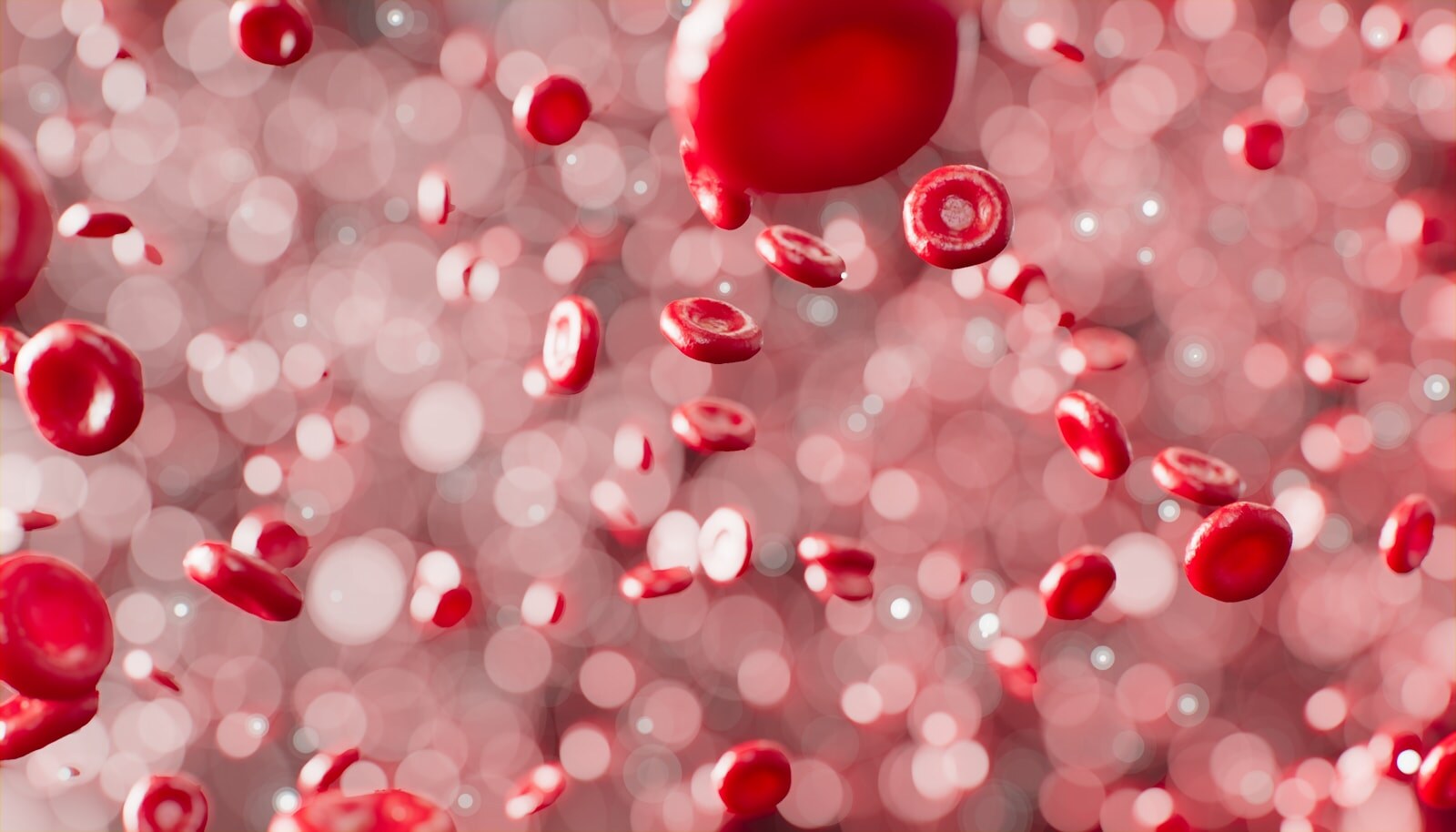
Your blood is the delivery service for healing. It carries oxygen, nutrients, immune cells, and the building blocks tissues use to rebuild themselves. It also carries away waste and byproducts of inflammation. When an area of the body has a healthy, active network of blood vessels, all of that traffic moves smoothly and repair can proceed. When the network is thin or sluggish, everything slows down.
Signaling Factors: The Body's Instructions to Build Vessels
New blood vessels do not appear at random. The body sends chemical signals that tell cells when and where to build. Two of the signaling factors researchers associate with this process are VEGF and eNOS.
- VEGF (vascular endothelial growth factor) is often described as a green light for new vessel growth. It encourages the cells that line blood vessels to multiply and organize into new pathways.
- eNOS (endothelial nitric oxide synthase) is tied to nitric oxide, a molecule that helps blood vessels relax and open. Better vessel tone can support healthier local circulation.
You do not need to memorize these names. The takeaway is that your body already knows how to improve its own circulation. It just needs the right stimulus to activate that program in a tissue that has been stuck.
Why Poorly Vascularized Tissues Heal So Slowly
Here is where the frustration many patients feel starts to make sense. Not all tissues are created equal when it comes to blood supply.
Tendons, ligaments, and fascia are classic examples of tissues that have relatively little blood flow compared to, say, muscle or skin. Anatomists sometimes describe the inner portions of certain tendons as nearly avascular, meaning very few vessels reach them. This design has advantages for strength and structure, but it comes with a serious downside: when these tissues are injured or worn, the healing supply lines are limited.
That is a major reason a tendon issue can nag for months while a muscle strain resolves in a couple of weeks. The muscle has a rich blood supply feeding its repair. The tendon does not. Add in factors like age, chronic inflammation, repetitive strain, and reduced activity, and local circulation can drop even further. The tissue is essentially trying to rebuild itself with a trickle of resources instead of a steady stream.
This is why simply resting a poorly vascularized injury does not always fix it. Rest can calm irritation, but if the underlying blood supply is not supporting active repair, the tissue may settle into a slow, incomplete healing state that lingers for a long time.
How SoftWave TRT Is Designed to Support Angiogenesis
SoftWave TRT stands for Tissue Regeneration Technology. It uses electrohydraulic, spark-generated acoustic waves that are broad-focused through a patented parabolic reflector. In plainer terms, a controlled burst of energy creates acoustic waves that spread through the treatment area and penetrate deep into tissue. This is different from radial, electromagnetic, or piezoelectric devices, and SoftWave is currently the only broad-focused shockwave technology of its kind.
The goal of these waves is not to force anything. It is to introduce a mechanical stimulus that the body interprets as a signal to start repairing. Researchers refer to this as mechanotransduction, where physical energy is translated into a biological response. As part of that response, the body's natural healing cascade can be encouraged, and improved local circulation is one meaningful piece of it.
How SoftWave Helps With Circulation and Repair
- Encourages angiogenesis: The acoustic stimulus is associated with signaling factors like VEGF and eNOS that the body uses to build and open blood vessels.
- Supports a temporary increase in blood flow: SoftWave is FDA-cleared for a temporary increase in blood flow, which can help supply a struggling area during treatment.
- Activates resident stem cells: The treatment is designed to help the body recruit and migrate its own repair cells to the area.
- Modulates inflammation: The process may help the body manage inflammation so repair can move forward.
- Encourages cell proliferation and collagen activity: Signaling tied to new tissue and collagen supports the structural rebuild.
Because SoftWave targets circulation and the body's own repair signals, it is particularly interesting for exactly those slow-healing, poorly-vascularized tissues that give people the most trouble. It is also FDA-cleared for activation of connective tissue and for temporary relief of minor muscle and joint pain.
If you are in Roanoke and you have a stubborn injury that never seems to get the blood flow it needs to fully recover, request a SoftWave consultation at InnerSun Family Chiropractic to find out whether you may be a candidate.
What to Expect and an Honest Word on Results
SoftWave sessions are non-invasive. There are no needles, no drugs, no surgery, and no downtime. A typical session takes roughly 10 to 15 minutes, and most people go through a series of visits over about 6 to 8 weeks. One thing that surprises patients is that the healing response does not stop when the sessions end. Because the treatment works by stimulating the body's own processes, tissue changes can continue for weeks and even months afterward.
It is important to be realistic. SoftWave does not guarantee a cure, and it is not a replacement for medical advice. Results vary from person to person depending on the tissue involved, how long the problem has been present, and overall health. That is exactly why a consultation matters. Dr Wendy Brown can evaluate your situation and help determine whether SoftWave is a sensible option for you.
Ready to Take the Next Step?
If a slow-healing injury has left you feeling stuck, learning how better circulation and angiogenesis fit into your recovery could be the missing piece. Reach out and let us help you understand your options.
Request your SoftWave Therapy new patient visit online today
Contact InnerSun Family Chiropractic
InnerSun Family Chiropractic
3555 Electric Rd Ste J
Roanoke, VA 24018
Phone: 540-315-4115
Our Main Office Website: https://innersunroanoke.com/
‹ Back




 3555 Electric Rd Ste J